

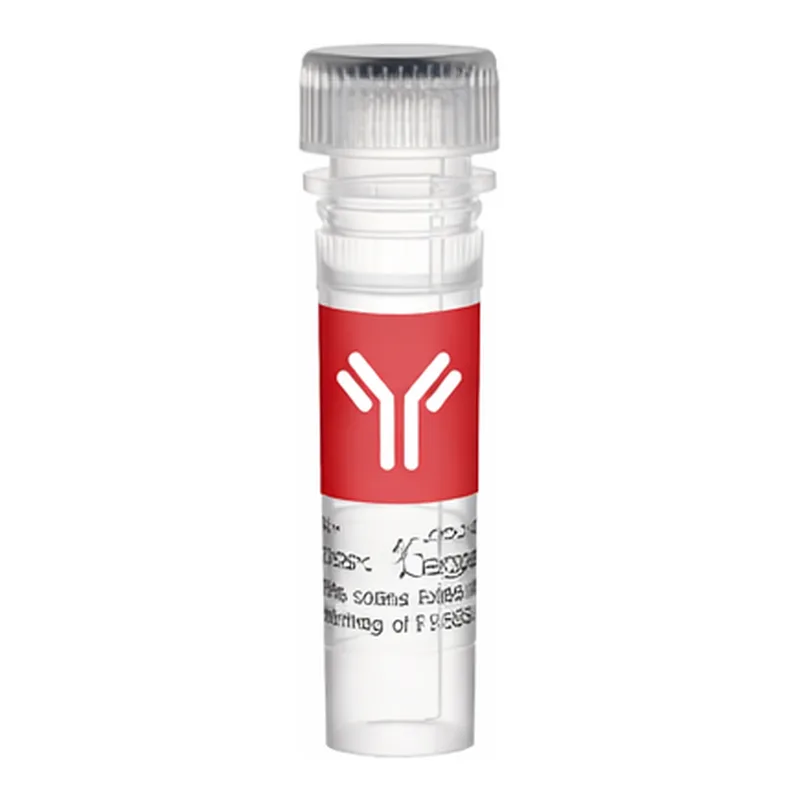
Thermo Fisher Scientific Nitrotyrosine Polyclonal Antibody
Nitrotyrosine 검출용 Thermo Fisher Scientific의 Rabbit Polyclonal Antibody. Western blot 및 ELISA에 적합하며, 항원 친화 크로마토그래피로 정제됨. 세포 손상 및 염증 표지 연구에 활용 가능. 연구용으로만 사용.
- 판매단위
- pk
카탈로그
1개 옵션 · 카탈로그 번호를 클릭하면 복사됩니다Thermo Fisher Scientific · Thermo Fisher Scientific Nitrotyrosine Polyclonal Antibody
Applications
Western Blot (WB)
- Tested Dilution: 1:1,000–1:8,000
ELISA
- Tested Dilution: 1:1,000–1:8,000
Product Specifications
| 항목 | 내용 |
|---|---|
| Species Reactivity | Chemical |
| Host / Isotype | Rabbit / IgG |
| Class | Polyclonal |
| Type | Antibody |
| Immunogen | NY-KLH |
| Conjugate | Unconjugated |
| Form | Liquid |
| Concentration | 1 mg/mL |
| Purification | Antigen affinity chromatography |
| Storage Buffer | 75 mM sodium phosphate/PBS, pH 7.2, with 0.5 mM EDTA |
| Contains | 0.02% sodium azide |
| Storage Conditions | 4°C |
| Shipping Conditions | Ambient (domestic); Wet ice (international) |
Target Information
Nitrotyrosine is a relatively stable product formed from various reaction pathways. The most notable is the reaction of peroxynitrite (formed from superoxide and nitric oxide radicals) with tyrosine. As a strong oxidant and nitrating agent, peroxynitrite mediates tyrosine nitration reactions on proteins, resulting in inactivation of certain housekeeping enzymes (e.g., alpha1-antiproteinase) and endogenous antioxidant enzymes such as catalase and superoxide dismutase (SOD).
Nitrotyrosine has been identified as an indicator of cell damage and inflammation, as well as of nitric oxide (NO) production. Measuring nitrotyrosine concentration serves as a marker for NO-induced cellular damage. It is implicated in the pathogenesis of several inflammatory, infectious, and degenerative human diseases, including Alzheimer’s disease, Parkinson’s disease, multiple sclerosis, amyotrophic lateral sclerosis (ALS), asthma, atherosclerosis, and conditions associated with endothelial injury.
At the protein level, tyrosine nitration can lead to loss or alteration of protein function, as demonstrated for the oncogenic protein p53 and the mitochondrial protein manganese-dependent superoxide dismutase (MnSOD).
For Research Use Only. Not for use in diagnostic procedures. Not for resale without express authorization.
Thermo Fisher Scientific 상품 둘러보기
전체보기
문의
0개 · 배송·재고 문의는 실시간 상담이 빠릅니다아직 등록된 문의가 없어요.