


Merck 3dGRO Human iPSC Derived Colon Organoids
인간 iPSC에서 유래한 3D 대장 오가노이드로 장 상피세포 분화 및 질환 모델링에 활용 가능. 장 특이적 마커(CDX2, CA-II, CA-IV, Mucin-2, Mucin-5B) 발현. 장기 배양 및 10~12일 주기로 계대 가능. 대장암, 염증성 장질환, 미생물 상호작용 연구에 적합.
- 브랜드
- Merck Sigma
- 판매단위
- pk
카탈로그
1개 옵션 · 카탈로그 번호를 클릭하면 복사됩니다Merck Sigma · Merck 3dGRO Human iPSC Derived Colon Organoids
3dGRO™ Human iPSC Derived Colon Organoids
제품 개요
Human intestinal organoids are self-organizing, 3D structures that can be expanded in long-term culture and differentiate into intestinal epithelial cell types.
Epithelial intestinal organoids, often referred to as enteroids or “mini-guts”, maintain the physiological characteristics of the gastrointestinal system.
They are useful tools to model intestinal development and disease, including:
- Colon cancer
- Celiac disease
- Inflammatory bowel diseases
- Host–microbiome interactions
Organoids can be propagated from patient biopsies and from embryonic (ES) and induced pluripotent stem cells (iPS cells).
제품 특징
3dGRO™ Human iPSC Derived Colon Organoids are derived from integration-free human iPS cells (Cat. No. SCC271) reprogrammed using Simplicon RNA reprogramming technology (Cat. No. SCR550).
Human iPS cells were differentiated using a multi-step process from definitive endoderm to posterior hind-gut endoderm and eventually into colon organoids.
The organoids express colon-specific markers including:
- Posterior hindgut marker CDX2
- Carbonic anhydrase II (CA-II)
- Carbonic anhydrase IV (CA-IV)
- Goblet cell markers Mucin-2 and Mucin-5B
They can be propagated long-term by passaging every 10–12 days using 3dGRO™ Human Colon Organoid Expansion Medium (Cat. No. SCM304).
제품 사양
| 항목 | 내용 |
|---|---|
| Form | Liquid |
| Technique(s) | Cell culture, Stem cell: suitable |
| Application(s) | Cell analysis |
제품 이미지
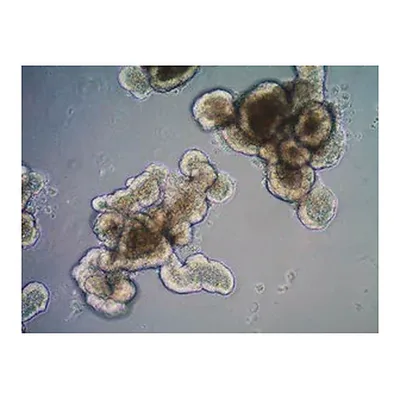
(Figure 1. Colon organoid differentiation process)
Merck Sigma 상품 둘러보기
전체보기

문의
0개 · 배송·재고 문의는 실시간 상담이 빠릅니다아직 등록된 문의가 없어요.