

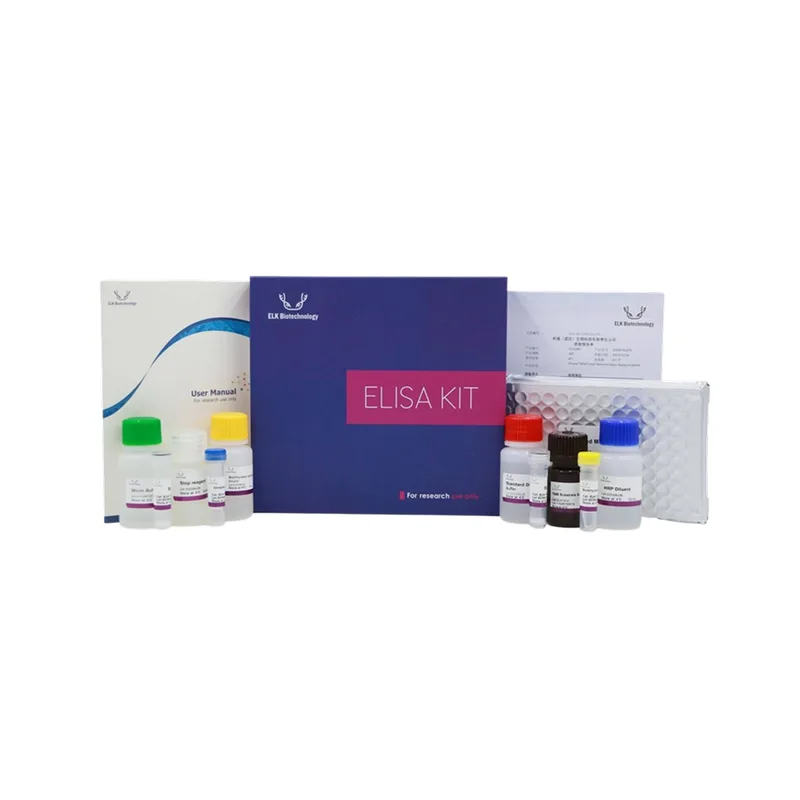
원본
ELK Biotechnology MT-ATP8 Polyclona Antibody
상품 한눈에 보기
MT-ATP8 단백질을 인식하는 ELK Biotechnology의 rabbit polyclonal antibody로 IHC 및 ELISA에 적합. 인간, 생쥐, 랫트 반응성. 고순도 IgG 형식으로 -20°C에서 1년 보관 가능. 미토콘드리아 막 ATP 합성 효소 복합체 연구에 활용.
- 판매단위
- pk
카탈로그
2개 옵션 · 카탈로그 번호를 클릭하면 복사됩니다회원가입 없이 바로 구매하세요
가입하지 않아도 비회원가로 구매하실 수 있습니다.
카탈로그 번호 · 상품 설명출고판매가담기
ELK Biotechnology ES14688-100UL MT-ATP8 Polyclona Antibody, 100UL pk판매 단위 pk ·
재고 확인 필요
402,000원VAT 포함 442,200원
ELK Biotechnology ES14688-50UL MT-ATP8 Polyclona Antibody, 50UL pk판매 단위 pk ·
재고 확인 필요
301,000원VAT 포함 331,100원
ELK Biotechnology · ELK Biotechnology MT-ATP8 Polyclona Antibody
MT-ATP8 Polyclonal Antibody
제품 개요
ELK Biotechnology에서 제공하는 MT-ATP8 단백질에 대한 rabbit polyclonal antibody입니다. 미토콘드리아 막 ATP synthase 복합체 연구에 적합하며, IHC 및 ELISA 실험에 활용 가능합니다.
제품 정보
| 항목 | 내용 |
|---|---|
| Product Name | MT-ATP8 Polyclonal Antibody |
| Alternative Names | ATP synthase protein 8 (A6L; F-ATPase subunit 8) |
| Applications | IHC; ELISA |
| Recommended Dilutions | IHC-p 1:50–200, ELISA(peptide) 1:5000–20000 |
| Immunogen | Synthesized peptide derived from human MT-ATP8 (AA range: 30–110) |
| Host | Rabbit |
| Storage | -20°C / 1 year |
| Clonality | Polyclonal |
| Isotype | IgG |
| Concentration | 1 mg/ml |
| Gene ID (Human) | 4509 |
| Human Swiss-Prot No. | P03928 |
| Cellular Localization | Mitochondrion membrane; Single-pass membrane protein |
| Species Reactivity | Human; Rat; Mouse |
Background
Defects in MT-ATP6 are associated with several mitochondrial disorders including:
- Infantile bilateral striatal necrosis (MIM:500003)
- Leber hereditary optic neuropathy (LHON, MIM:535000)
- Leigh syndrome (LS, MIM:256000)
- Neurogenic muscle weakness, ataxia, and retinitis pigmentosa (NARP, MIM:551500)
Defects in MT-CO3 are linked to:
- Cytochrome c oxidase deficiency (COX deficiency, MIM:220110)
- Leber hereditary optic neuropathy (LHON, MIM:535000)
- Recurrent myoglobinuria (MIM:550500)
- Mitochondrial encephalomyopathy with lactic acidosis and stroke-like episodes (MELAS)
Function
Mitochondrial membrane ATP synthase (F₁F₀ ATP synthase or Complex V) produces ATP from ADP using a proton gradient generated by the respiratory chain.
- F-type ATPases consist of two domains: F₁ (catalytic core) and F₀ (membrane proton channel).
- ATP synthesis in F₁ is coupled via a rotary mechanism to proton translocation through F₀.
- MT-ATP8 is a minor subunit located with subunit a in the membrane, contributing to proton translocation.
Similarity
- Belongs to the ATPase A chain family
- Belongs to the ATPase protein 8 family
- Belongs to the cytochrome c oxidase subunit 3 family
Subunit Structure
F-type ATPases have two components:
- CF(1): catalytic core (subunits α₃, β₃, γ₁, δ₁, ε₁)
- CF(0): membrane proton channel (subunits a, b, c)
ELK Biotechnology 상품 둘러보기
전체보기
문의
0개 · 배송·재고 문의는 실시간 상담이 빠릅니다아직 등록된 문의가 없어요.