

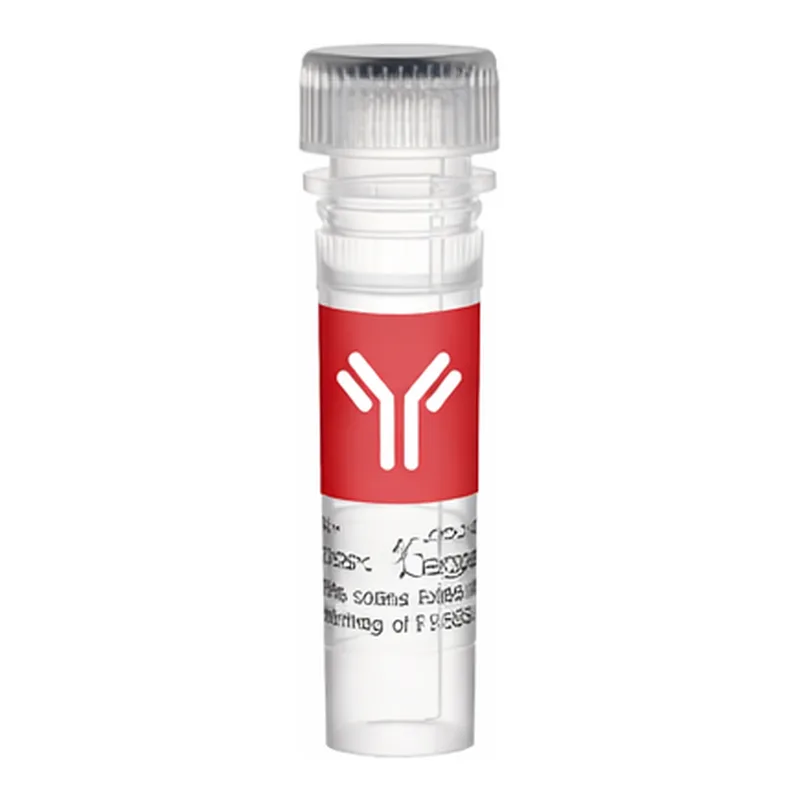
Thermo Fisher Scientific Influenza A H1N1 HA (A/New Caledonia/20/99) Polyclonal Antibody
Influenza A H1N1 (A/New Caledonia/20/99) HA 단백질에 특이적인 폴리클로날 항체. ELISA 등 연구용에 적합하며, 보존제가 없는 액상 형태. 단기간 4°C, 장기간 -20°C 보관 권장. 바이러스 단백질 연구 및 면역반응 분석에 활용 가능.
- 판매단위
- pk
카탈로그
1개 옵션 · 카탈로그 번호를 클릭하면 복사됩니다Thermo Fisher Scientific · Thermo Fisher Scientific Influenza A H1N1 HA (A/New Caledonia/20/99) Polyclonal Antibody
Applications
- ELISA (ELISA)
Tested Dilution: 1:1,000–1:2,000
Product Specifications
| 항목 | 내용 |
|---|---|
| Species Reactivity | Virus |
| Host / Isotype | Rabbit / IgG |
| Class | Polyclonal |
| Type | Antibody |
| Immunogen | Recombinant Influenza A H1N1 (A/New Caledonia/20/99) Hemagglutinin/HA Protein |
| Conjugate | Unconjugated |
| Form | Liquid |
| Concentration | 1 mg/mL |
| Purification | Protein A |
| Storage Buffer | PBS |
| Contains | No preservative |
| Storage Conditions | Store at 4°C short term. For long term storage, store at -20°C, avoiding freeze/thaw cycles. |
| Shipping Conditions | Ambient (domestic); Wet ice (international) |
| RRID | AB_2788845 |
Product Specific Information
This product is preservative-free. It is recommended to add sodium azide to avoid contamination (final concentration 0.05%–0.1%).
This antibody has specificity for Influenza A H1N1 (A/New Caledonia/20/99) Hemagglutinin/HA.
Target Information
Influenza A virus is a major public health threat, killing more than 30,000 people per year in the USA. In early 2009, a novel swine-origin influenza A (H1N1) virus was identified in specimens obtained from patients in Mexico and the United States. The virus spread quickly around the world and on June 11, 2009, the World Health Organization declared it a pandemic.
Influenza A virus has one of sixteen possible Hemagglutinin (HA) surface proteins and one of nine possible Neuraminidase (NA) surface proteins. The Hemagglutinin protein facilitates viral attachment while Neuraminidase is involved in viral release. These proteins elicit immune responses that prevent infection or reduce viral replication.
The genetic make-up of this swine flu virus is unique: it is an H1N1 strain combining a triple assortment first identified in 1998 (human, swine, and avian influenza) with two new pig H3N2 virus genes from Eurasia, themselves of recent human origin. The distinct antigenic properties of the new swine influenza virus compared with seasonal influenza A (H1N1) virus suggest limited human immunity, although older age groups may have some protection.
For Research Use Only.
Not for use in diagnostic procedures.
Not for resale without express authorization.
Thermo Fisher Scientific 상품 둘러보기
전체보기
문의
0개 · 배송·재고 문의는 실시간 상담이 빠릅니다아직 등록된 문의가 없어요.