

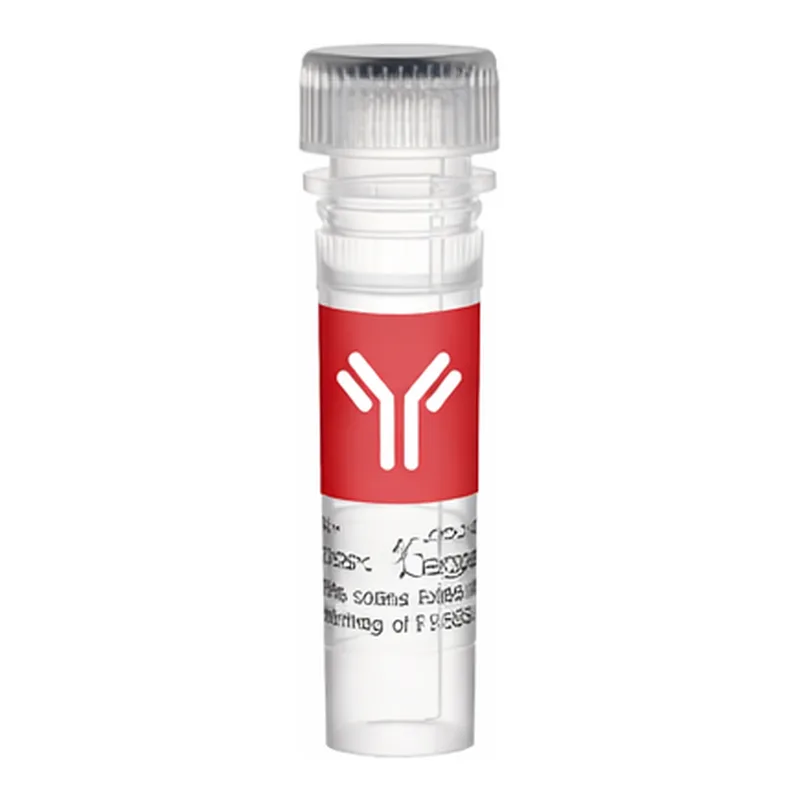
Thermo Fisher Scientific 8-OHdG/8 Hydroxyguanosine Polyclonal Antibody
8-OHdG 산화 DNA 손상 마커 인식용 Rabbit Polyclonal 항체. IHC, ICC, ELISA 등 다양한 응용에 적합. 단백질 A 정제, 1 mg/mL 농도, -20°C 보관. 산화 스트레스 및 발암 연구용으로 활용 가능.
- 판매단위
- pk
카탈로그
1개 옵션 · 카탈로그 번호를 클릭하면 복사됩니다Thermo Fisher Scientific · Thermo Fisher Scientific 8-OHdG/8 Hydroxyguanosine Polyclonal Antibody
Applications and Tested Dilution
| Application | Tested Dilution |
|---|---|
| Immunohistochemistry (Paraffin) (IHC-P) | 1:200–1:400 |
| Immunohistochemistry (Frozen) (IHC-F) | 1:100–1:500 |
| Immunocytochemistry (ICC/IF) | 1:50–1:200 |
| ELISA | 1:500–1:1,000 |
Product Specifications
| Specification | Description |
|---|---|
| Species Reactivity | Chemical |
| Host / Isotype | Rabbit / IgG |
| Class | Polyclonal |
| Type | Antibody |
| Immunogen | KLH conjugated 8-OHdG |
| Conjugate | Unconjugated |
| Form | Liquid |
| Concentration | 1 mg/mL |
| Purification | Protein A |
| Storage Buffer | 0.01M TBS, pH 7.4, with 1% BSA, 50% glycerol |
| Contains | 0.02% ProClin 300 |
| Storage Conditions | -20°C |
| Shipping Conditions | Ambient (domestic); Wet ice (international) |
Target Information
Oxygen, while essential for aerobic life, can also participate in potentially harmful reactions involving oxygen free radicals and transition metals such as iron, leading to damage of membranes, proteins, and nucleic acids. In normal human cells, DNA lesions accumulate over time, largely due to endogenous oxidative factors. Reactive oxygen species (ROS) generated during oxidative respiration contribute significantly to these lesions.
Malignant cells may produce high levels of hydrogen peroxide, comparable to those in activated polymorphonuclear leukocytes. Some tumors can stimulate immune responses that generate cytokines, which in turn produce large amounts of ROS. Among oxidative DNA lesions, 8-OHdG (8-Hydroxy-2'-deoxyguanosine) is one of the most extensively studied. Its presence in DNA can cause GC to TA transversions if not repaired before replication, potentially leading to mutagenesis.
Numerous studies have shown a correlation between 8-OHdG formation and carcinogenesis in vivo. Repair products such as 8-OHdG are excreted into urine without further metabolism, making 8-OHdG a useful urinary biomarker for oxidative DNA damage in vivo.
For Research Use Only. Not for use in diagnostic procedures. Not for resale without express authorization.
Thermo Fisher Scientific 상품 둘러보기
전체보기
문의
0개 · 배송·재고 문의는 실시간 상담이 빠릅니다아직 등록된 문의가 없어요.